

Body Signals vs. Body Alarms: Helping Your Child Understand Physical Symptoms During Cancer Treatment
How to Reduce Anxiety and Build Confidence in Your Child’s Body

Understanding Interoceptive Sensitivity in Children
We all “listen” to our bodies. Clinicians refer to this skill as interoceptive sensitivity—the brain’s ability to interpret internal body signals like hunger, fatigue, or discomfort. For children, this process is an essential part of development. It helps them learn what feels normal and how to take care of themselves properly.
However, for children undergoing pediatric cancer treatment, this system can become overwhelmed.
During treatment, the body’s “volume” is often turned up. Side effects like fatigue, nausea, pain, and temperature changes become more intense and frequent.
As a result, children may become hypersensitive to physical sensations. This heightened awareness doesn’t just affect the body; it can significantly impact a child’s mental health during cancer treatment, increasing anxiety and uncertainty.
The Framework: Body Signals vs. Body Alarms
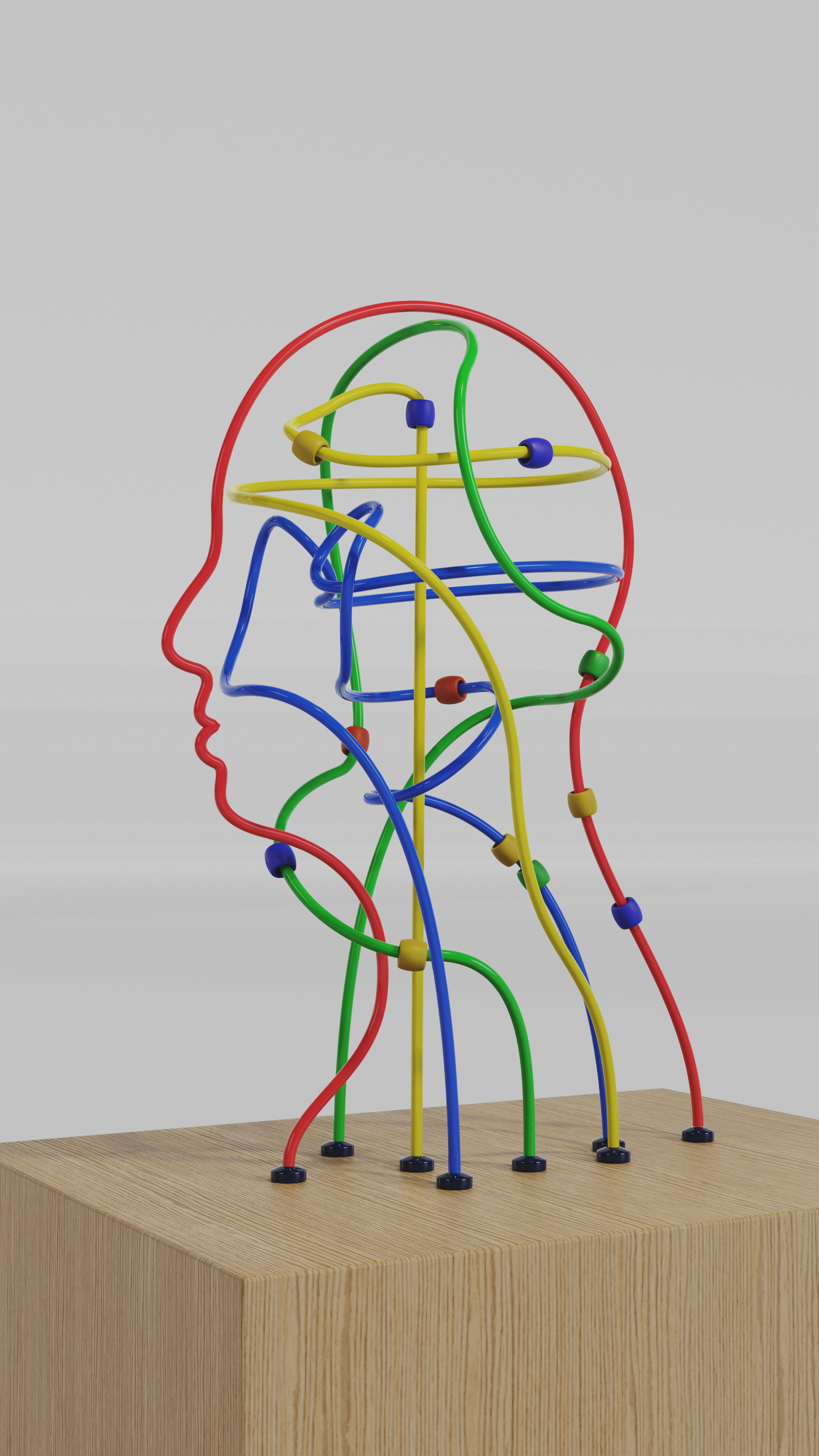
One helpful way to support your child is by teaching them to distinguish between body signals and body alarms.
Body signals are normal, everyday sensations. They’re your body’s way of keeping things running smoothly:
- Hunger or thirst
- Feeling tired
- Needing to use the bathroom
- Mild discomfort
- Slight changes in temperature
These signals call for gentle, routine responses, such as eating, resting, or taking a break.
Body alarms, on the other hand, are intense and urgent. They activate when the brain senses danger:
- Rapid heartbeat
- Sudden panic
- Cold sweats
- Chest tightness
- “Knots” in the stomach
These sensations can be part of the body’s stress response, often referred to as “fight, flight, or freeze.” Having a conversation with your child’s medical provider can help categorize specific symptoms into these two categories of signals and alarms.
Why This Matters During Pediatric Cancer Treatment
During treatment, children may begin to confuse signals with alarms. A mild stomachache might feel like a serious threat. Normal fatigue may be interpreted as something dangerous. This misinterpretation can lead to increased childhood cancer anxiety and fear around medical environments.
Even after treatment ends, these patterns can persist. Many families experience “scanxiety”–the heightened stress before follow-up scans or appointments. This is a common and valid experience in survivorship, affecting both children and caregivers.
Caregivers, in particular, play a powerful role. Because you’re closely monitoring your child’s health, it’s easy to become hyper-aware of every symptom. Without realizing it, this can reinforce a cycle in which children learn to interpret normal bodily signals as threats.

Breaking the Cycle of Hypervigilance
If you find yourself constantly on alert, you’re not alone. Hypervigilance is a natural response to the uncertainty of pediatric cancer, but it can be gently reshaped over time. Here are a few ways to support your child’s relationship with their body:
1. Practice labeling body signals together
Choose calm, everyday moments to talk about what your child is feeling. For example: “Your stomach is growling…that’s a signal you’re hungry!” This helps normalize sensations and builds confidence in understanding them.
2. Connect physical sensations to emotions
Help your child explore why a sensation feels scary. Ask open-ended questions like: “Does your heart feel fast because you’re nervous or excited?” This encourages emotional awareness and reduces fear.
3. Model calm curiosity
Children often take cues from caregivers. When you respond to symptoms with calm curiosity instead of urgency, it teaches your child that not every sensation is dangerous. Phrases like: “Let’s check in and see what your body needs” can shift the tone from fear to problem-solving.
Supporting Mental Health During and After Treatment

At the Austin Hatcher Foundation, we recognize that healing extends beyond the physical. Pediatric cancer affects the entire family emotionally, mentally, and socially.
That’s why we provide free, lifetime mental health and family support services to those navigating childhood cancer. Whether you’re in active treatment or adjusting to life after, our team is here to help your family build resilience, reduce anxiety, and feel supported every step of the way.
Healing looks different for every family, but you don’t have to do it alone.
Click here to view our services or request an in-person appointment.
To access free online resources and support no matter where you live, join our Hatch’s Hero program.
Reviewed for Clinical Accuracy by Cressie Allen, LPC-MHSP


.png)