

Remembering Olivia: How the Valles Family Found Grief Support After DIPG
How the Valles family found a place to hold their grief
Olivia was three and a half years old. Fierce, funny, and endlessly adventurous, she was the kind of kid who lit up every room she walked into.
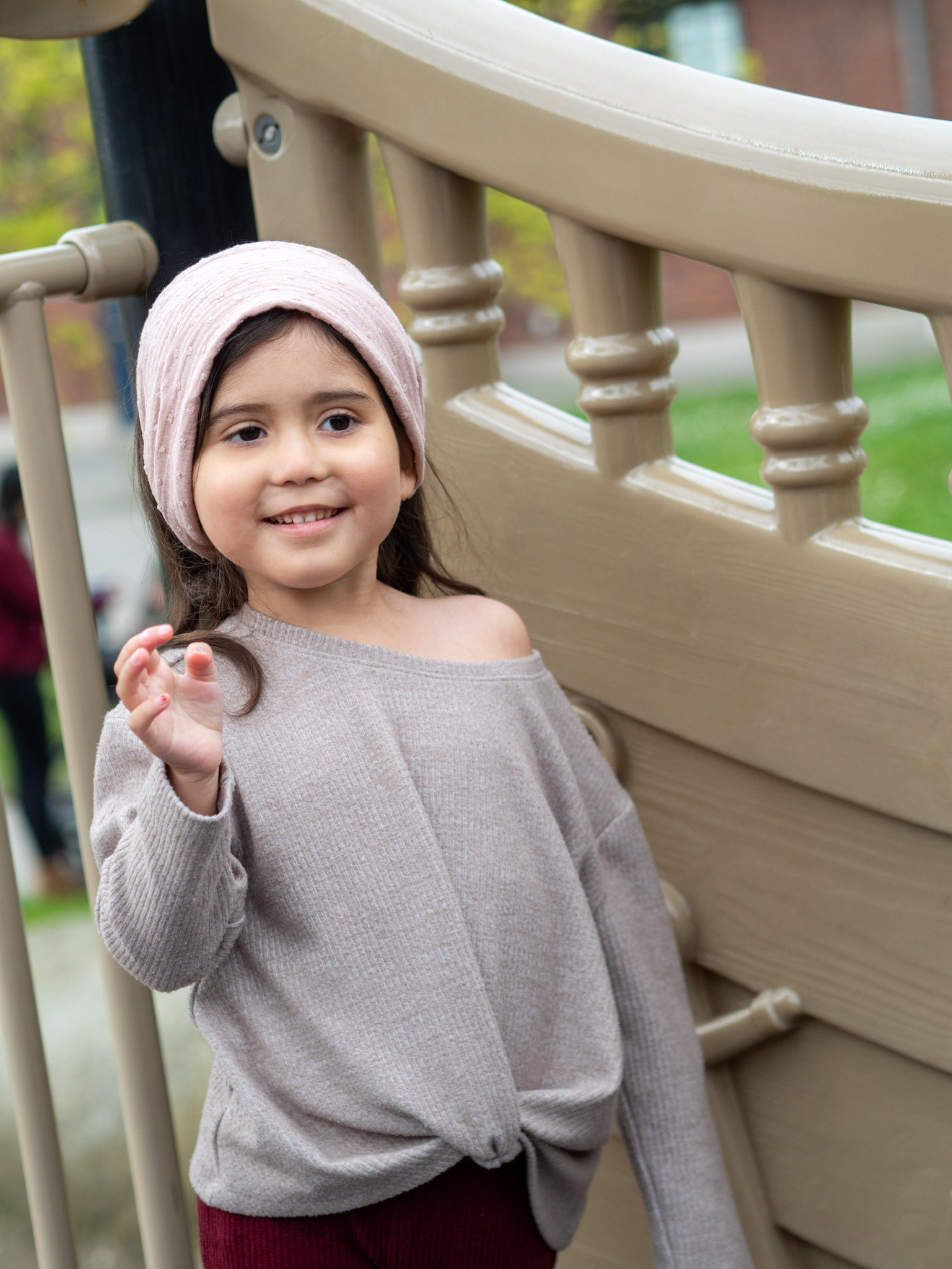
Then, just a week into starting preschool, her teachers noticed something was off. Olivia seemed weaker on her left side than usual. Her pediatrician ordered a precautionary CT scan, and two days later, on September 21st, it revealed a mass in her brain. An MRI followed the next day.
After a week of uncertainty, on September 27th, Olivia's family received the diagnosis no parent is ever prepared for: DIPG, a fatal childhood brain tumor.
"Our world was turned upside down within a matter of days," her mom, Diana, remembers.
Fifteen Months of Fierce, Quiet Bravery
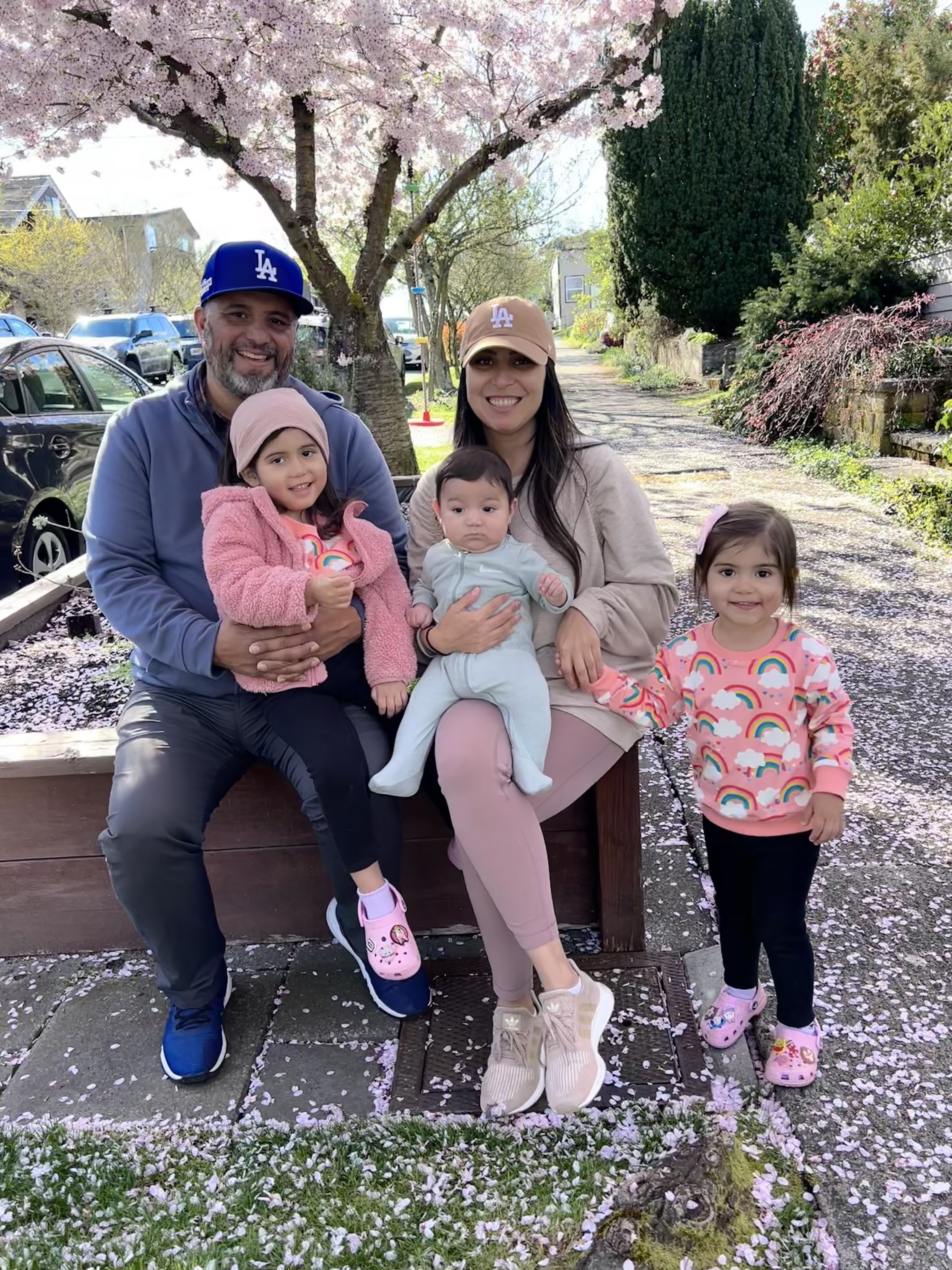
What followed were fifteen months of fierce, quiet bravery. Olivia completed thirty rounds of radiation and took part in two clinical trials, including an immunotherapy trial at Seattle Children's Hospital. She faced treatments and pokes with a maturity beyond her years.
Diana and her family made a choice early on: to pick up the pieces of their shattered hearts and start living life to the absolute fullest. They filled Olivia's days with adventures and outings and memories, refusing to let her diagnosis be the only story.
As the months went on, Olivia's body began to change in ways they couldn't control. She lost her ability to speak, then to walk — and still, she adapted, finding new ways to reach for the people and things she loved. When new scans showed the tumor growing, she underwent a second round of radiation.
Eventually, she could no longer sit up on her own. Through it all, Olivia kept trying — kept pushing to regain even small pieces of her strength. She never stopped fighting. Her family never stopped hoping.
After a beautiful Christmas Eve at home, Olivia passed away peacefully on Christmas afternoon, two months shy of her fifth birthday. She will forever be her family's Christmas angel.
Finding a Place to Grieve
In the middle of that unimaginable loss, Diana didn't just need someone to talk to. She needed someone trained to help her carry the weight of losing a child.
That's when she found us.
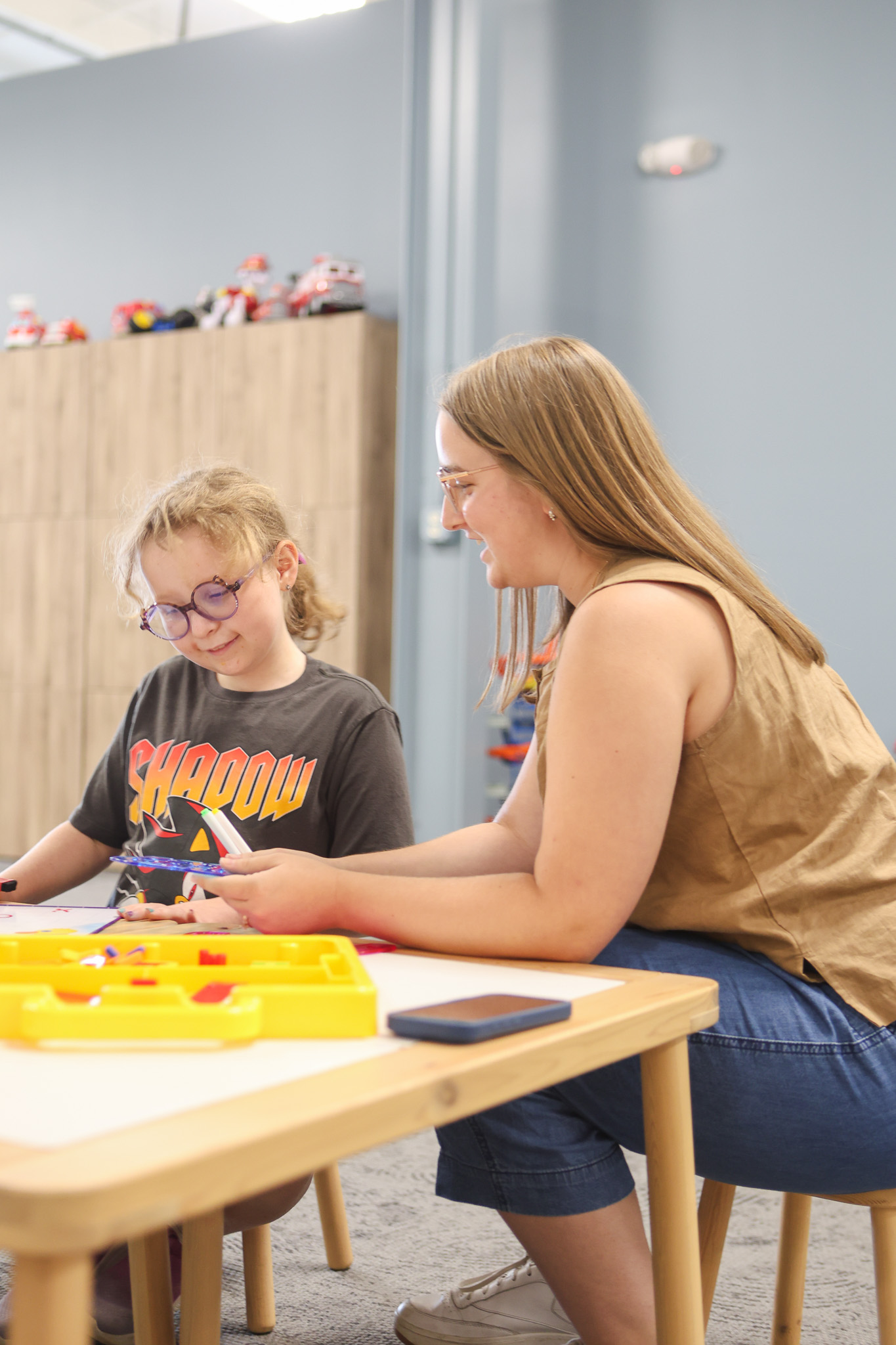
Diana was connected to Susan, who leads the Austin Hatcher Foundation's mental health department as a licensed, trauma-informed grief specialist.
"Meeting with Susan was a great opportunity to have uninterrupted time to talk through my trauma," Diana shares. "It was time that I looked forward to, and I valued her expert insight."
Why Ongoing Bereavement Support Matters
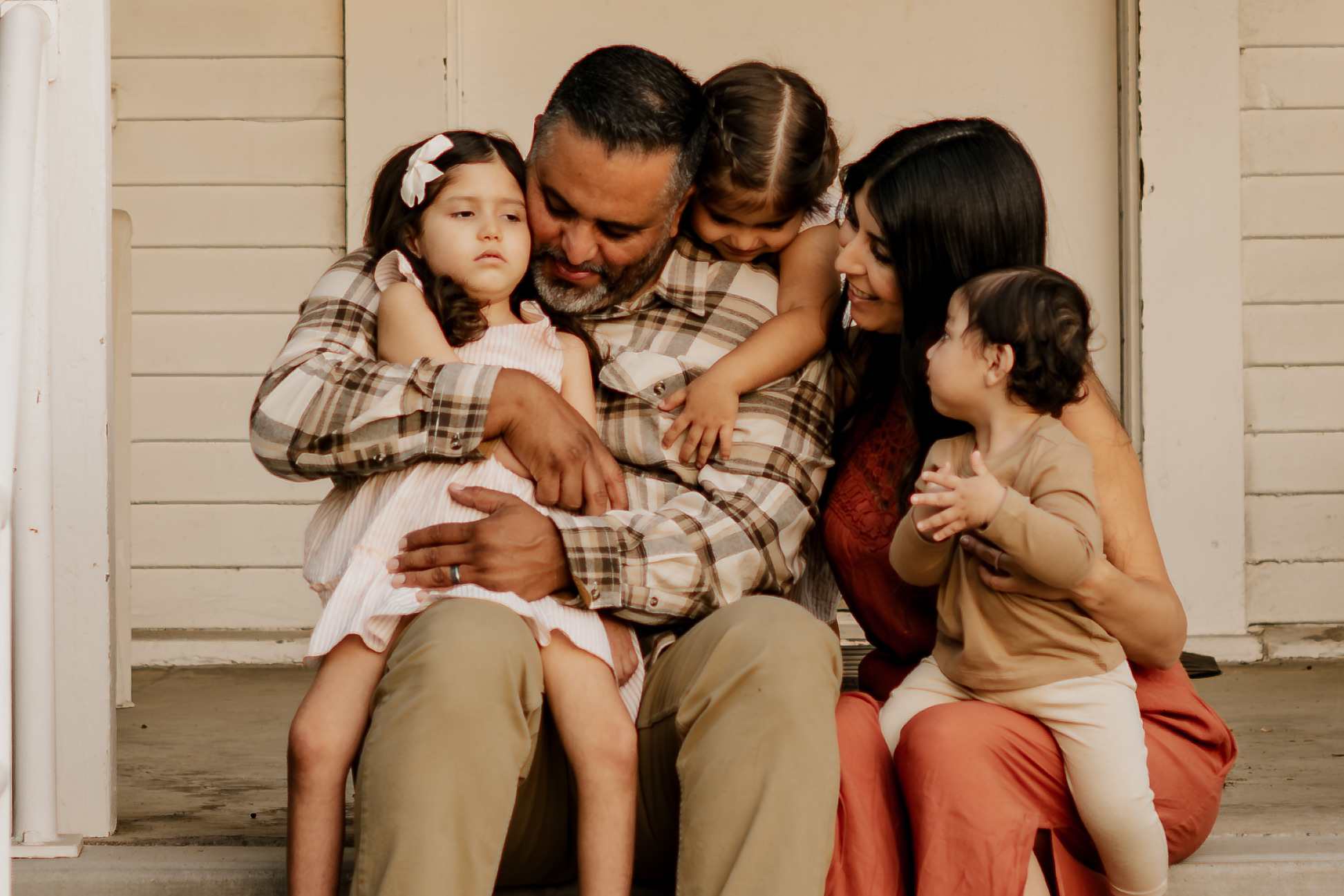
Grief after losing a child doesn't follow a timeline, and it isn't something families should have to navigate alone or untrained. That's why the Austin Hatcher Foundation's mental health team — led by licensed, trauma-informed clinicians — provides free, ongoing bereavement counseling for as long as families need it, not just in the immediate aftermath of loss.
Diana didn't have to carry this alone. And because of support like yours, no family does.
LEARN HOW WE SUPPORT FAMILIES FOR LIFE

.png)
