

Restoring Emotional Safety After Cancer Treatment: Helping Your Child Feel Safe in Their Body Again
Helping Your Child Feel Safe in Their Body Again
Life after childhood cancer treatment can bring both relief and uncertainty. While the end of treatment is a milestone worth celebrating, many children and caregivers discover that emotional healing continues long after procedures and hospital visits are over. Supporting a child’s sense of safety, both emotionally and physically, is an important part of long-term healing.

The Importance of Post-Procedure “Repair”
Research shows that intentional post-procedure “repair” can ease distress and help children process what their bodies have been through. These moments of connection remind children that they are safe, supported, and not alone. It's important to understand that repeated procedures may affect a child differently each time.
Caregivers can support this healing through patience and simple acts of reconnection, such as:
- Rocking a child in your lap
- Offering a hug or a gentle, reassuring touch
- Playing a familiar game together
- Planning a fun activity after each procedure to celebrate resilience
Words matter, too. Calm, encouraging language helps children understand difficult experiences and builds confidence. Examples include:
- “That was really hard, and you got through it.”
- “You did something very brave.”
- “Your body worked so hard today!”
- “Even when it was difficult, you kept going.”
These moments of physical comfort and verbal reassurance can help children regulate complex emotions and reinforce trust in both themselves and their caregivers.

Teaching the Nervous System That Recovery Is Possible
Cancer treatment can place a child’s nervous system in a near-constant state of alert. Over time, medical procedures may cause a child to experience their body as unpredictable or unsafe. Healing involves gently teaching the nervous system that it can move from stress back to calm. These repeated experiences of safety after distress help create what’s called the resilience loop.
When children learn that uncomfortable moments are followed by comfort and connection, their bodies begin to relax more easily over time. This supports emotional regulation and reduces fear during future stressors.
Helpful, body-based ways to reinforce this sense of safety include:
- Sensory grounding: warm blankets, weighted stuffed animals, calming touch (Here are some of Our OT’s Favorite Sensory Tools & Tips)
- Gentle coping skills: slow breathing, progressive muscle relaxation, or playful exercises like “blowing out birthday candles”
- Predictable moments of calm: bedtime routines, familiar music, or quiet check-ins that help a child feel oriented and secure
Rebuilding Trust Through Gentle Movement

As children recover, medically appropriate movement can help them reconnect with their bodies in positive ways. Gentle physical activity supports strength, confidence, and a renewed sense of capability.
Examples may include:
- Light stretching
- Short walks
- Low-impact movement
- Gentle play with peers
Caregivers should always consult with their child’s medical team to ensure activities are safe and aligned with the child’s unique treatment history.
Looking Ahead: Healing, Growth, and Resilience
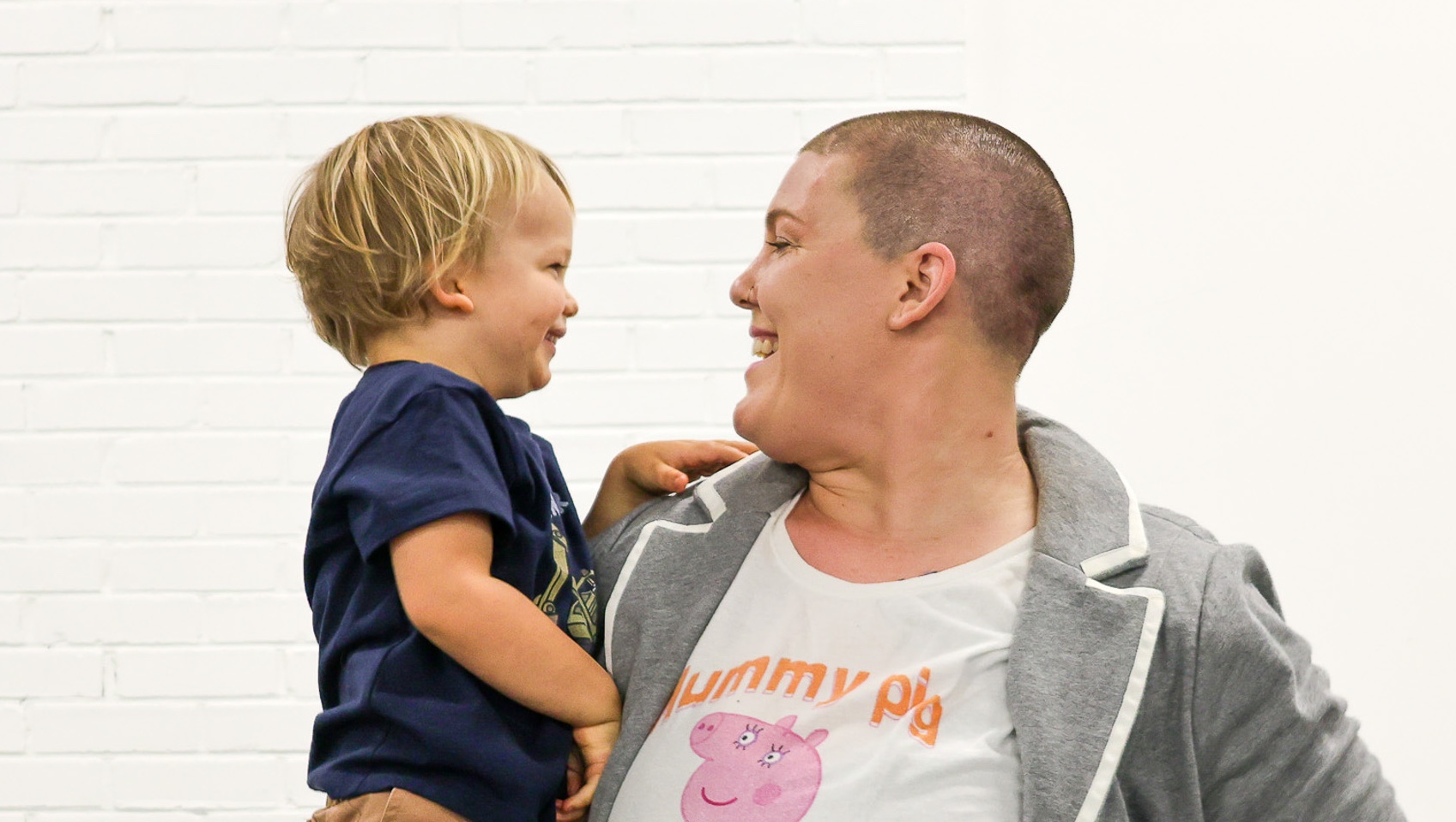
The path to healing after childhood cancer is not linear, and that’s okay. With consistent support, children can learn that their bodies are capable of returning to safety. Over time, these experiences build resilience, emotional strength, and confidence that extend well beyond cancer treatment.
At the Austin Hatcher Foundation, we recognize that a cancer diagnosis impacts the whole family. That’s why we offer no-cost, lifetime care designed to support emotional, relational, and physical well-being long after treatment ends. Healing is a journey, and families don’t have to walk it alone.
Click here to view our services or request an in-person appointment.
To access free online resources and support no matter where you live, join our Hatch’s Hero program.
Reviewed for Clinical Accuracy by Cressie Allen, LPC-MHSP


.png)