

Back to School After Childhood Cancer: Helping Your Child Set Boundaries with Classmates
Helping Your Child Set Boundaries with Classmates
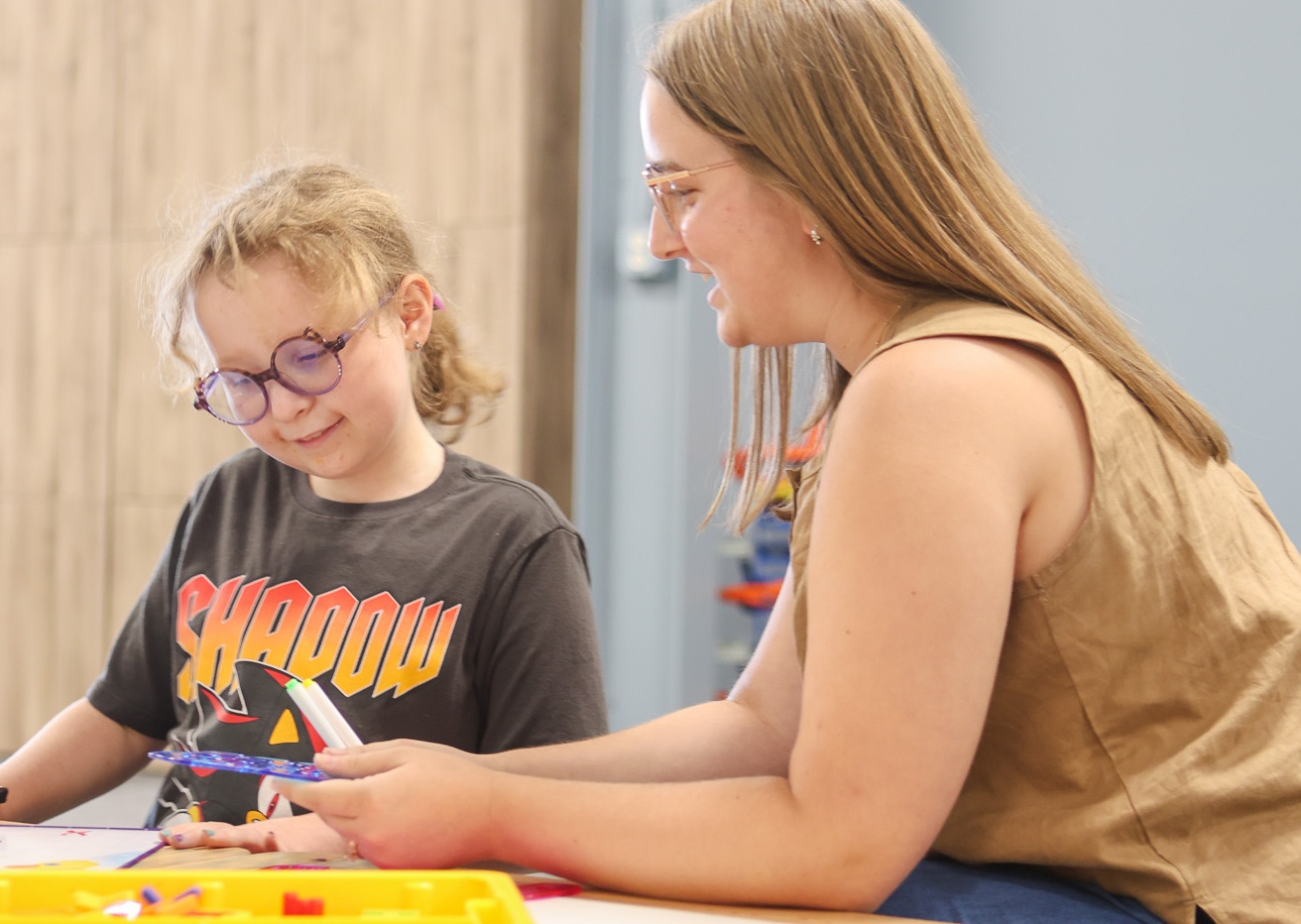
For pediatric cancer families, back-to-school season can bring a wave of new challenges and emotions. When a new school year begins, teachers and classmates often want to connect with your child by asking about their cancer diagnosis or medical needs. For cancer siblings, those same questions might be about a brother or sister's health instead.
These conversations usually come from a caring place. But even well-meaning questions about a child's cancer journey can leave fighters and survivors feeling put on the spot, overexposed, or unsure how to respond.
If you've caught yourself wondering, "How do I help my child answer questions about their health?" you're not alone, and you're in the right place. Teaching your child a few simple, confident phrases can help them set healthy boundaries, protect their privacy, and walk into the school year with more self-advocacy and less anxiety.
Below are four easy steps to help your child practice calm, kid-friendly boundary-setting phrases for when classmates ask about their health or medical history.
1. Acknowledge the Question
Health questions can feel invasive, even jarring, especially for a child still processing their own cancer experience. Remind your child that classmates usually aren't trying to make them uncomfortable; they're simply curious or want to show they care. A great first step is thanking them for asking.
Phrases to try:
- "Thank you for asking."
- "Thank you for thinking of me."
- "Thank you for understanding."
- "Thank you for caring."
2. Set a Boundary
Next, your child can share, in one short, clear sentence, that they'd rather not talk about their health right now. Setting a boundary isn't rude; it's a healthy way for kids with cancer (and their siblings) to protect their privacy and practice self-advocacy.
Phrases to try:
- "I don't want to talk about it."
- "I'd like to talk about something else."
- "I would rather not answer questions today."
- "My health (or my sibling's health) is private."
- "I'm keeping that to myself."
3. Redirect the Conversation
A quick redirect can shift the conversation away from medical questions and toward something more comfortable. Encourage your child to have a go-to redirect ready, whether it's a favorite recess game, a weekend plan, or something happening in class that day.
Phrases to try:
- "I'm just happy to be back at school! What are you most excited about this year?"
- "Let's talk about something fun instead."
- "What game are we playing during recess today?"
- "Can we talk about [a favorite show, sport, or hobby] instead?"
4. Repeat If Needed
Sometimes, a classmate keeps asking questions, even after your child has set a boundary. This is a perfect moment to repeat the same phrase calmly.
Phrases to try:
- "As I said, I don't want to talk about it."
- "Again, thank you, but I'd rather not answer questions today."
- "Remember, I'm keeping that to myself. Can we talk about something else?"

Practicing Makes It Easier
Just like reviewing for a spelling test or rehearsing a school presentation, practicing these phrases out loud with a parent, sibling, or trusted adult helps them feel natural when your child actually needs them. Try writing a favorite phrase on an index card or turning practice into a quick role-play game before the first day of school.
When kids feel prepared for these conversations, they can spend less energy worrying about what to say and more energy connecting with friends and settling into their environment. Learning to set healthy conversation boundaries is one small step that can make a big difference in easing back-to-school anxiety for childhood cancer survivors and their families.
We're Here to Help
At the Austin Hatcher Foundation, we know that returning to school after a pediatric cancer diagnosis can feel overwhelming for every member of the family, not just the child in treatment. You don't have to navigate this season alone. Explore more of our back-to-school resources, including Building Your Child's Care Team and 8 Back-to-School Tips from an Occupational Therapist, for additional support.
Click here to view our services or request an in-person appointment.
To access free online resources and support, no matter where you live, join our Hatch's Hero program today.
Clinical Contributor: Mindy Brown, MS, CTRS


.png)
