Childhood Cancer and the Holidays: An OT’s Guide to Helping Your Child Feel Comfortable and Included

The holidays are an exciting time for so many families. They can also be stressful, especially for families on a cancer journey. Whether your child is in treatment, recently finished, or newly in remission, the season may look different this year.
Cancer treatment and its sequelae (the lasting effects of the disease and its treatment) can change how a child experiences the holidays. As an occupational therapist at the Austin Hatcher Foundation, I help families adapt everyday routines so kids can take part in what matters to them.
Below, I’ll walk through four areas where you may notice changes and simple ways to make the season more comfortable:
- Emotions, behavior, and anxiety
- Energy and fatigue
- Sensory changes
- Gifts and toys (plus our separate gift guide)
We’ll look at how to adjust traditions and gatherings, and how to shop for a child whose preferences and needs may be different than they once were.
Emotions, Behavior, and Anxiety During the Holidays

Behavior and anxiety are often among the first changes parents notice, and among the hardest to navigate. Holidays can be emotionally overwhelming even without cancer in the picture. Treatment can leave kids emotionally fatigued and affect their mood, even in the most easygoing child.
Swap pressure for presence
During the holidays, we often feel we should express gratitude out loud: “We’re so lucky to spend the holidays with you.” These words are meant kindly, but they can quietly pressure a child to make the day feel special. When a child isn’t feeling well, that pressure can spark anxiety, especially if they’re already prone to mood swings.
Instead, try: “I’m so happy to see you.” Telling a child you’re happy to be near them, with no qualifier attached, shares your joy without adding pressure. Being mindful about what you say to a child with cancer during the holidays is a simple, easy way to show care.
Make a plan before the big day
- Talk with your child ahead of time and let them know they can tell you when they feel overwhelmed.
- Agree on what you’ll do if that happens: talk, take a break, share a hug in a quiet place, or hold a comfort object.
- Let them know that whatever they feel is okay.
Germs, hugs, and setting boundaries
The holidays fall during flu and cold season. For a child with a compromised immune system, that can be scary.
For caregivers: Consider setting boundaries ahead of time so no one tries to hug, kiss, or otherwise embrace your child. Their skin may also be sensitive right now, so hugs and some clothing may not feel good.
For guests: If you’re attending a holiday event with a child who is in cancer treatment:
- Ask permission before hugging, even if you always hug this child.
- Remember that these kids have been carefully protected from germs and may feel anxious in large groups or up close.
- If you have any signs of illness, tell the host or caregiver before you arrive.
- If they ask you to stay home, please don’t take it personally. An illness that feels like “nothing” to you could put a child in treatment in the hospital.
Even a small fever can be urgent for a child in cancer treatment. For more tips on visiting a child with cancer during the holidays, check out our guest guide.
Managing Energy and Fatigue During Holiday Gatherings

Cancer and its treatment can be physically exhausting, and holiday excitement drains energy even further. You may notice your child tires more quickly than before.
Schedule rest breaks around the good stuff
Encourage frequent rest breaks, and consider scheduling them. When your child knows when the highlights are happening (opening gifts, a Secret Santa exchange, lighting candles, family photos), they can rest beforehand and be part of what matters most to them.
Pro tip: You can also schedule breaks during activities you know your child would rather skip.
Think of energy like a gas tank
It’s more efficient to fill up a gas tank when it’s half empty than when it’s running on fumes. Energy works the same way. Resting when your child has used about half their “tank” means they’ll need less recovery time than if they run themselves down completely.
Create a cozy, central place to sit
A seated, relaxing space where everyone can gather makes it easier for a child with low energy to socialize. It works better than having guests mill around the house.
A fireplace may seem like the obvious spot. But heat can tire a child who is already struggling with energy and sensory regulation, and crowded rooms warm up fast. Help your child make sure they aren’t too hot or too cold.
Sensory Changes: Touch, Sound, Light, and Smell
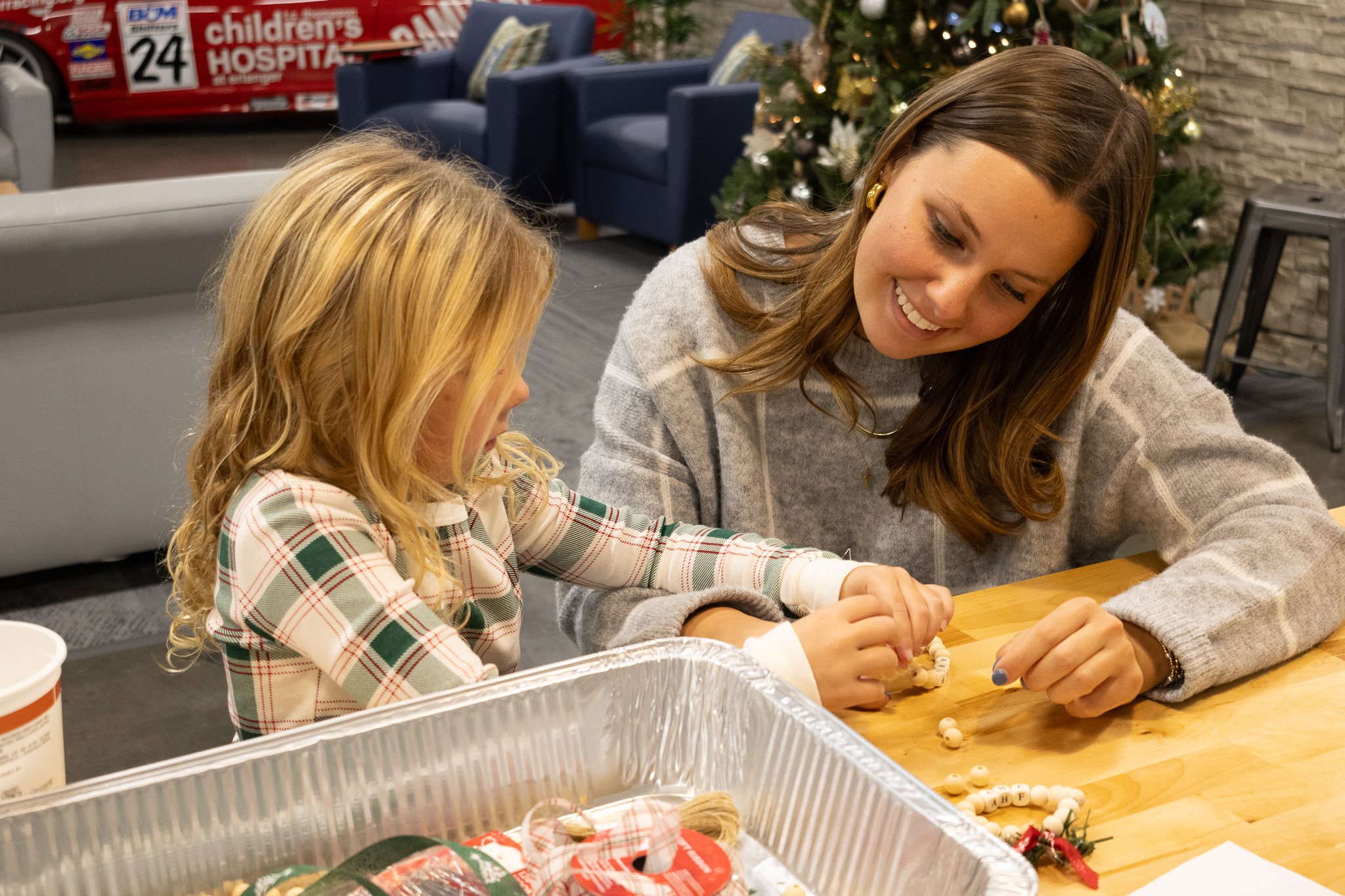
How we sense the world can be very calming or very overwhelming, and many things can feel different to a child going through chemotherapy or radiation. Cancer itself can affect how someone perceives touch, light, sound, movement, and more.
Touch and clothing
Chemotherapy can cause numbness, tingling, or pain in the hands and feet. Clothing can become a sensitive topic, from tags and fabrics to tight elastic. Other kinds of touch can change too:
- Vibration in toys or phones
- The textures of toys and objects
- Temperature: things that feel neutral to you may feel hot or cold to them
Check in with your child often to make sure they’re comfortable.
Sound and light
Holiday gatherings can be loud and visually busy, from twinkling lights to flash photography. Kids in cancer treatment can be prone to headaches, dry eyes, and other sensitivities.
Knowing ahead of time how different environments affect your child will help you prepare. You don’t need to overhaul the whole setting. Instead, talk openly, discreetly, and honestly with your child about what feels good and what bothers them.
Smell
Research shows smell is deeply linked to memory and emotion. Candles, perfume, and holiday cooking all bring back special traditions. But cancer and its treatment can change both how a child perceives smells and how well they tolerate them. Scents that once brought joy can now cause nausea or headaches. Consider whether your child has these sensitivities.
For guests: if you’re attending a gathering with a child in treatment, consider wearing less perfume or cologne, or skipping it altogether.
Gift Ideas for Kids With Cancer: An OT’s Shopping Guide
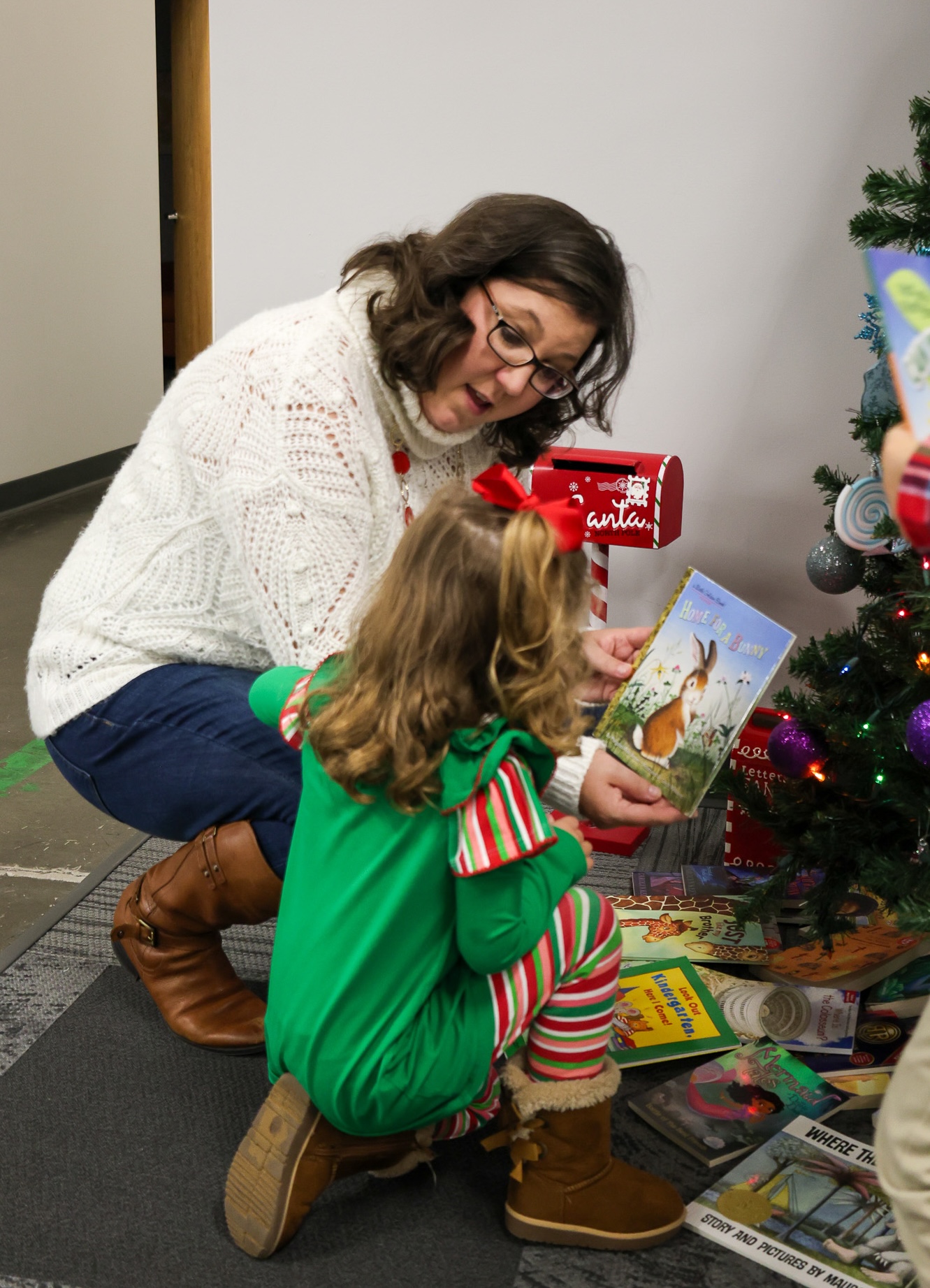
Giving and receiving gifts is one of the best parts of the holidays for kids (and, let’s be honest, for all of us). All of the above can affect what a child can play with and wants to play with. Before you shop, talk with the child’s caregivers and ask if there’s anything you should know. For a deeper dive, see our full guide, Gift Ideas for Kids With Cancer: An Occupational Therapist’s Guide.
1. Choose toys that are age- and developmentally appropriate
There can be a fine line between adaptive toys and toys that feel too young. You know the child you’re shopping for, so trust that knowledge.
2. Keep fine motor changes in mind
If the child is struggling with dexterity or hand strength, avoid complicated toys or sets with lots of small pieces. Changes in how their fingers feel can make small objects frustrating and tiring.
If they still love working with small pieces:
- Look for puzzles with larger pieces or larger building bricks.
- Add a brick separator to a LEGO set.
- Try adaptive tools like calligraphy grips or bead spinners for jewelry making. These are widely available for all ability levels.
- Look at crafts adapted for people with arthritis, which can work well for a child with reduced fine motor skills and strength.
3. Pick gifts that travel well
Portable toys and crafts, or those that can be paused mid-project, are easy to bring to the hospital or appointments. Many toys now come in travel versions.
A special bag or carrier for the child’s favorite things is useful during treatment and long after. For a reader, a custom e-reader cover or case is a thoughtful addition to a hobby they already love. Etsy and other small-business sites are great for personalizing something special.
4. When in doubt, a gift card works
Even better, offer to shop online with the child so they can pick out something they really want. It’s a quality moment to share with someone you love.
Making Room for Every Kind of Holiday
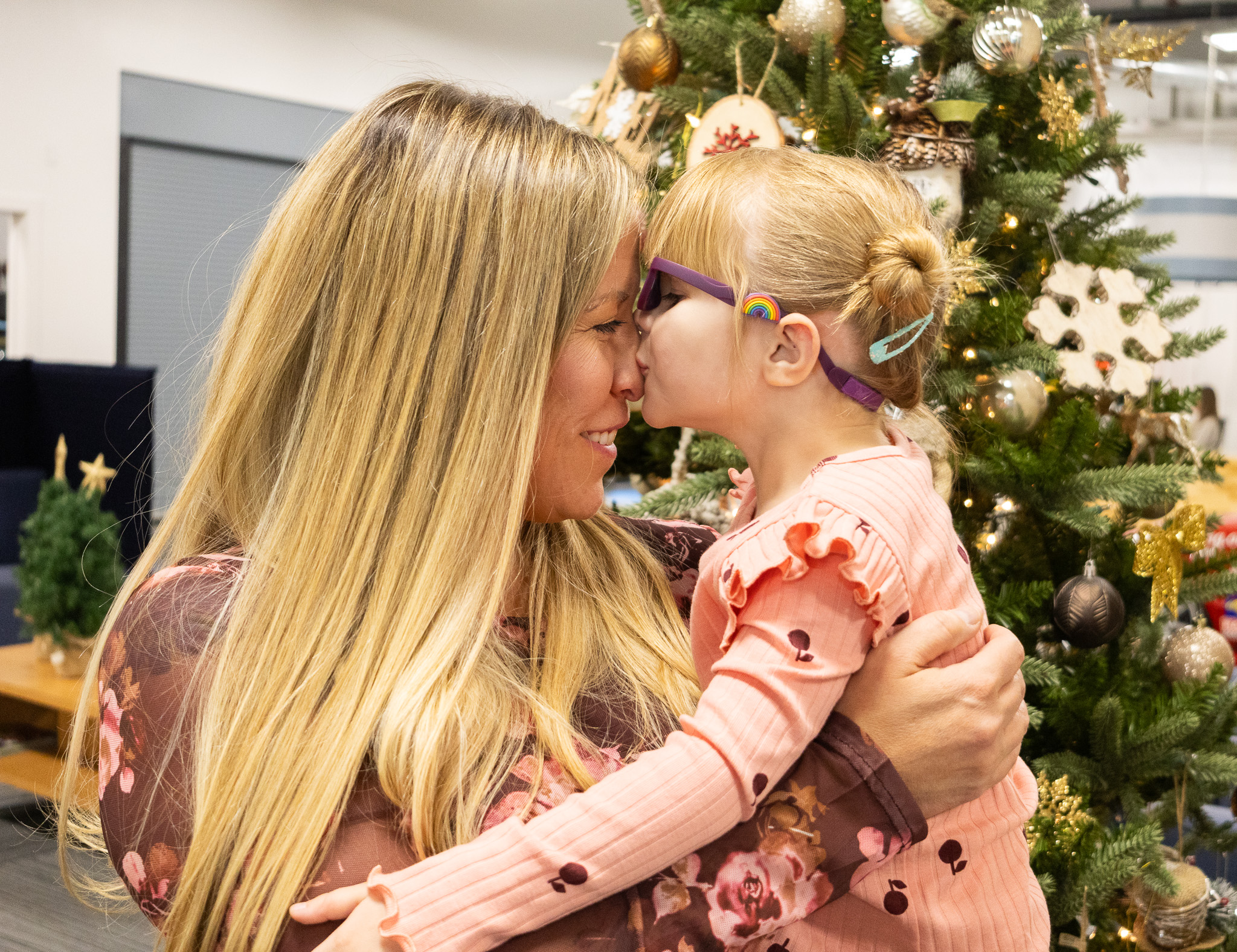
The holidays can bring a lot of emotion, especially during cancer treatment, new survivorship, or maintenance. We can make this a special time without applying too much pressure. Traditions are nice, but letting everyone be present in their own way, as best they can, is what builds lasting memories. That’s what holidays and family time are about.
Support for your family, any time of year. The Austin Hatcher Foundation provides free, lifelong support to families affected by pediatric cancer, including occupational therapy. Learn about our services → hatcherfoundation.org/resources/services

About the author
Dr. Cori Cohen, OTD, OTR/L, is a licensed occupational therapist at the Austin Hatcher Foundation for Pediatric Cancer. As part of the Foundation’s multidisciplinary clinical team, she provides individualized, evidence-based therapy that supports the developmental, cognitive, sensory, emotional, and functional needs of children and young adults affected by pediatric cancer. She earned her Doctor of Occupational Therapy with High Honors from Washington University School of Medicine in St. Louis and previously held clinical and leadership roles at Erlanger Medical Center and Cleveland Clinic.
Frequently Asked Questions
How can I help my child with cancer enjoy the holidays? Plan rest breaks around the moments that matter most to them, create a calm, seated place to gather, and agree ahead of time on what to do if they feel overwhelmed.
Should I hug a child who is going through cancer treatment? Ask permission first, even if you usually hug them. Their immune system may be compromised, and their skin may be sensitive to touch.
What should I do if I feel sick before a holiday gathering? Tell the host or caregiver before you arrive, and don’t be offended if they ask you to stay home. A minor illness for you could land a child in hospital treatment.
What are good gifts for a child with cancer? Age-appropriate toys with larger pieces, portable or pause-able crafts, a bag for their favorite things, and gift cards are all good choices. Check with their caregivers first.
Why might my child react differently to smells or lights this year? Cancer and its treatment can change how a child perceives touch, sound, light, and smell. Scents that were once comforting can cause nausea or headaches.