Gift Ideas for Kids With Cancer: An Occupational Therapist’s Guide

Giving and receiving gifts is one of the best parts of the holidays for kids (and, let’s be honest, for all of us). But if you’re shopping for a child who is in cancer treatment, recently finished, or newly in remission, their needs and preferences may be different than they once were.
Treatment can affect a child’s energy, their sense of touch, and the strength and dexterity in their hands. All of that shapes what they can play with and what they’ll want to play with. (For more on how cancer can change the holiday experience, read our full guide, Childhood Cancer and the Holidays.)
Start here: Before you pick something out, talk with the child’s caregivers and ask if there’s anything you should know.
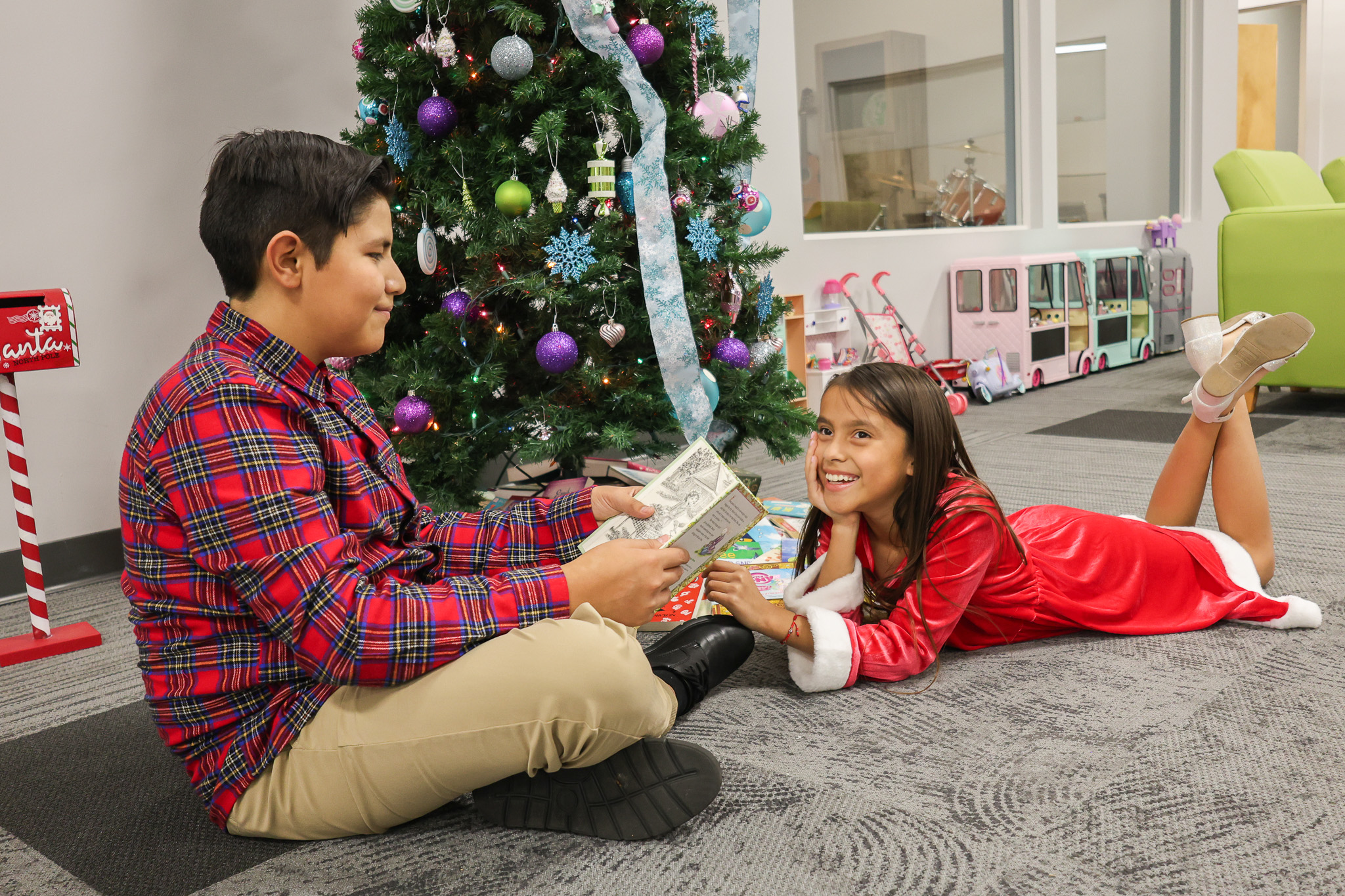
1. Choose Toys That Are Age- and Developmentally Appropriate
There can be a fine line between adaptive toys and toys that feel too young. You know the child you’re shopping for, so trust that knowledge.
2. Look for Gifts That Work for Tired or Sensitive Hands
Chemotherapy can cause numbness, tingling, or pain in the hands and feet, and treatment can affect strength and dexterity. If the child is struggling with fine motor skills, avoid complicated toys or sets with lots of small pieces. Changes in how their fingers feel can make small objects frustrating and tiring.
Textures, vibration, and temperature may also feel different to them now, so keep that in mind when choosing toys and objects.
If they still love working with small pieces, try:
- Puzzles with larger pieces
- Larger building bricks
- A brick separator to add to a LEGO set
- Adaptive tools like calligraphy grips or bead spinners for jewelry making, which are widely available for all ability levels
- Crafts adapted for people with arthritis, which can work well for a child with reduced fine motor skills and strength
3. Pick Gifts That Travel to the Hospital and Appointments
Portable toys and crafts that can be paused mid-project are easy to bring to the hospital or appointments, and families will appreciate them. Many toys now come in travel versions.
More portable gift ideas:
- A special bag or carrier for the child’s favorite things, useful during treatment and long after
- A custom e-reader cover or case for a child who loves to read
- Personalized items from Etsy or other small-business sites
4. When in Doubt, Choose a Gift Card
Gift cards are always a good option. Even better, offer to shop online with the child so they can pick out something they really want. It’s a quality moment to share with someone you love.
More Ways to Support a Child This Holiday Season

The right gift is one that fits where a child is right now. For tips on energy, sensory changes, and holiday gatherings, read Childhood Cancer and the Holidays: An OT’s Guide.
Support for your family, any time of year. The Austin Hatcher Foundation provides free, lifelong support to families affected by pediatric cancer, including occupational therapy. Learn about our services → hatcherfoundation.org/resources/services

About the author
Dr. Cori Cohen, OTD, OTR/L, is a licensed occupational therapist at the Austin Hatcher Foundation for Pediatric Cancer. As part of the Foundation’s multidisciplinary clinical team, she provides individualized, evidence-based therapy that supports the developmental, cognitive, sensory, emotional, and functional needs of children and young adults affected by pediatric cancer. She earned her Doctor of Occupational Therapy with High Honors from Washington University School of Medicine in St. Louis and previously held clinical and leadership roles at Erlanger Medical Center and Cleveland Clinic.
Frequently Asked Questions
What are good gifts for a child with cancer? Age-appropriate toys with larger pieces, portable or pausable crafts, a bag for their favorite things, and gift cards are all good choices. Check with their caregivers first.
What gifts are good for a child going through chemo who has trouble using their hands? Skip toys with lots of small pieces. Try larger puzzle pieces or bricks, a LEGO brick separator, calligraphy grips, bead spinners, or arthritis-friendly crafts.
What can a child do at the hospital or during appointments? Look for portable toys, travel versions of favorite games, and crafts you can pause and pick up later.