Visiting a Child in Cancer Treatment This Holiday Season: A Guest’s Guide

If you’re spending the holidays with a child who is in cancer treatment, you may be wondering what to expect and what to do differently. The holidays fall during flu and cold season, and for a child with a compromised immune system, that can be scary.
A few small choices from guests can make a big difference in how safe and comfortable a child feels. Here’s what to keep in mind before you arrive. (For caregivers, our full guide, Childhood Cancer and the Holidays, covers energy, sensory changes, and more.)

Ask Before You Hug
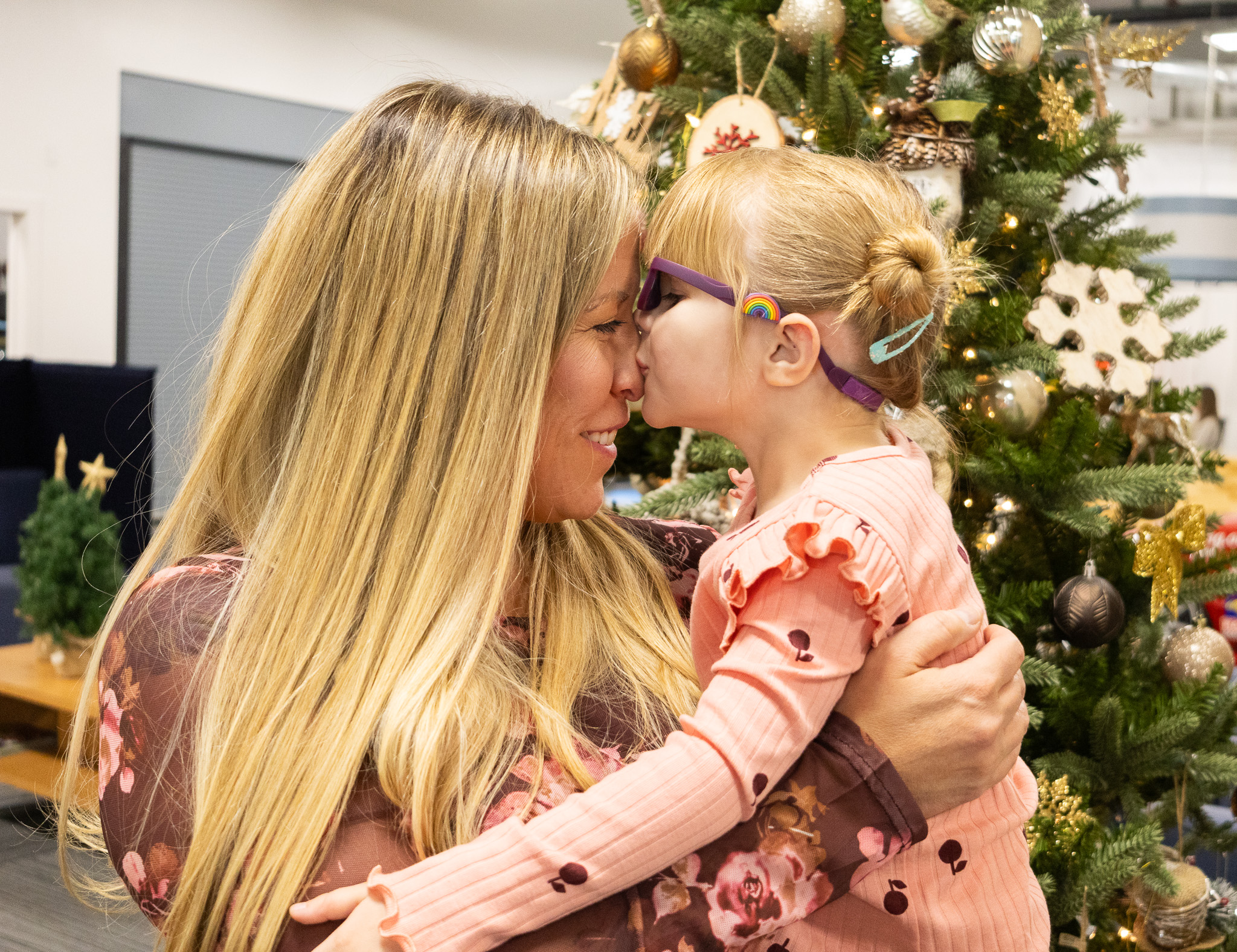
Ask permission before giving a hug, even if you always hug this child. Their caregivers may have set boundaries around hugs and kisses, and the child’s skin may be sensitive right now, so hugs may not feel good.
These are kids who have been carefully protected from germs and sickness. They may feel anxious in large groups or when people get close.
Speak Up If You’re Feeling Sick
If you have any signs of illness, tell the host or the child’s caregivers before you arrive.
If they ask you to stay home, please don’t be offended. An illness that feels like “nothing” to you could land a child in treatment in the hospital. Even a small fever is urgent for a child undergoing cancer treatment.
Go Light on Perfume and Cologne
Cancer and its treatment can change how a child perceives smells and how well they tolerate them. Strong scents can cause nausea or headaches. Consider wearing less perfume or cologne, or skipping it altogether.
Greet Them Without Pressure
It’s natural to want to say something like “We’re so lucky to spend the holidays with you.” But when a child isn’t feeling well, statements like this can feel like pressure to make the day special.
Try this instead: “I’m so happy to see you.” It shares your joy without any expectations attached.
Follow the Family’s Lead
- Join the child where they are. Many families set up a seated, central space so a child with low energy can socialize without everyone milling around.
- Expect breaks. The child may step away to rest, and that’s part of the plan.
- Check with caregivers before bringing a gift, so you know what will work for the child right now. Our gift guide can help.
Frequently Asked Questions
Can I hug a child who has cancer? Ask permission first, even if you usually hug them. Their immune system may be compromised, and their skin may be sensitive to touch.
Should I visit a child in cancer treatment if I have a cold? Tell the host or caregivers about any signs of illness before you arrive, and respect their decision if they ask you to stay home.
Why does perfume matter around a child with cancer? Treatment can change how a child tolerates smells. Strong scents can cause nausea or headaches.
For more ways to make the season comfortable, read Childhood Cancer and the Holidays: An OT’s Guide.
Support for your family, any time of year. The Austin Hatcher Foundation provides free, lifelong support to families affected by pediatric cancer, including occupational therapy. Learn about our services → hatcherfoundation.org/resources/services

About the author
Dr. Cori Cohen, OTD, OTR/L, is a licensed occupational therapist at the Austin Hatcher Foundation for Pediatric Cancer. As part of the Foundation’s multidisciplinary clinical team, she provides individualized, evidence-based therapy that supports the developmental, cognitive, sensory, emotional, and functional needs of children and young adults affected by pediatric cancer. She earned her Doctor of Occupational Therapy with High Honors from Washington University School of Medicine in St. Louis and previously held clinical and leadership roles at Erlanger Medical Center and Cleveland Clinic.